Wine festivals have grown from niche regional gatherings into major cultural events that draw thousands of visitors each year. From sun-drenched vineyards in Tuscany to bustling city squares in Melbourne, these celebrations of the grape have captured the imagination of casual drinkers and seasoned connoisseurs alike. What was once the preserve of industry insiders has become a mainstream leisure activity — and the numbers speak for themselves.
A growing appetite for experience
The rise of wine festivals reflects a broader shift in how people choose to spend their time and money. Consumers — particularly younger generations — are increasingly prioritising experiences over material goods. A wine festival offers something a bottle from the supermarket simply cannot: the chance to meet the people behind the label, taste wines side by side, and learn something in the process. It is this combination of education and entertainment that keeps attendees coming back year after year.
The social appeal of shared discovery
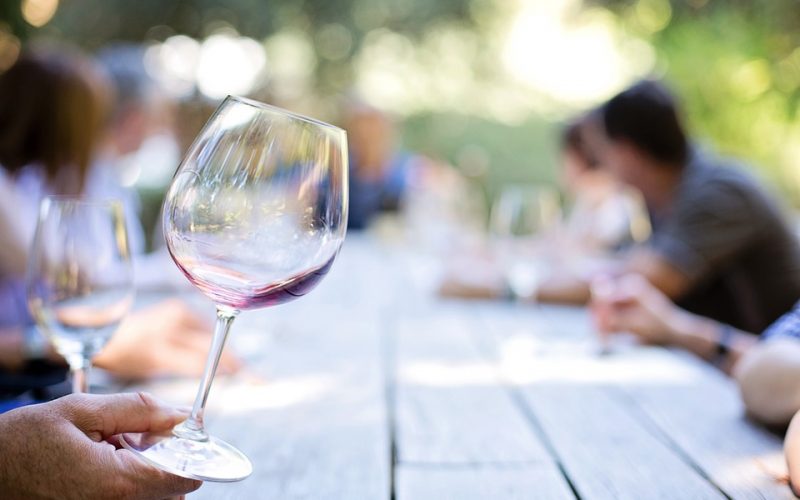
There is something uniquely social about discovering a new wine in the company of others. Wine festivals create an environment where curiosity is encouraged and there are no wrong answers. Whether someone is searching for a reliable house red or exploring the nuances of natural wine for the first time, the atmosphere tends to be welcoming rather than intimidating. This accessibility has played a significant role in broadening the appeal of wine culture beyond traditional demographics.
The role of local and regional identity
Many of the most celebrated wine festivals are deeply rooted in the regions that produce them. Events like Bordeaux's Fête le Vin or the Stellenbosch Wine Festival in South Africa draw on centuries of winemaking heritage, giving visitors a genuine sense of place alongside their glass. For local economies, the benefits are considerable — festivals attract tourism, support small producers, and generate coverage that no advertising budget could easily replicate.
A platform for smaller producers
For independent winemakers and boutique vineyards, festivals represent one of the most effective ways to reach new audiences. Without the resources to secure prime shelf space in major retailers, smaller producers rely on direct engagement to build their following. A well-attended festival can introduce a winery to hundreds of potential customers in a single weekend, creating relationships that last well beyond the event itself. This dynamic has made festivals an important part of the wider wine ecosystem.
What the future holds
The continued growth of wine festivals shows little sign of slowing. Organisers are becoming increasingly creative — incorporating food pairings, live music, masterclasses, and sustainability initiatives to keep the format fresh and relevant. Digital ticketing and social media have also made it easier than ever to discover and attend events, removing many of the practical barriers that once limited participation. As the global interest in wine continues to evolve, festivals will likely remain one of its most vibrant and enduring expressions.