Food and drink festivals have become a staple of the cultural calendar across the UK. From the rolling fields of Glastonbury to the cobbled streets of Edinburgh, millions of people flock to these events each year to sample local produce, discover new cuisines, and soak up a lively atmosphere. But what is it that makes them so enduringly popular — and why does the trend show no signs of slowing down?
A shift in how we think about food
Over the past two decades, food has become far more than sustenance. Television programmes like MasterChef and The Great British Bake Off have turned cooking into entertainment, while social media has made sharing meals a cultural ritual. People are more curious about what they eat, where it comes from, and how it is prepared than ever before. Food and drink festivals tap directly into this growing enthusiasm, offering an immersive experience that a supermarket or restaurant simply cannot replicate.
The rise of local and artisan producers
One of the defining features of the modern food festival is its celebration of independent and artisan producers. Visitors can speak directly with the cheesemaker, the craft brewer, or the small-batch chocolatier — a level of connection that has real appeal in an era dominated by large, impersonal food corporations. This focus on provenance and craftsmanship resonates strongly with consumers who are increasingly mindful about what they buy and from whom.
More than just food
Today's festivals offer far more than a chance to eat and drink well. Live cooking demonstrations, panel discussions, wine-pairing workshops, and children's activities have transformed these events into full-day — or even full-weekend — experiences. Organisers have recognised that visitors want to learn as well as indulge, and the programming has evolved accordingly. This broader appeal has helped festivals attract audiences well beyond dedicated foodies.
A boost for local economies
The economic impact of food and drink festivals is considerable. A well-attended event can generate significant revenue for local hospitality businesses, accommodation providers, and transport networks. Regions with strong culinary identities — such as Cornwall, the Scottish Highlands, or Yorkshire — have used festivals strategically to attract visitors and promote their produce on a national stage. For many small producers, a single festival appearance can open doors to new stockists and wholesale opportunities.
The social experience matters
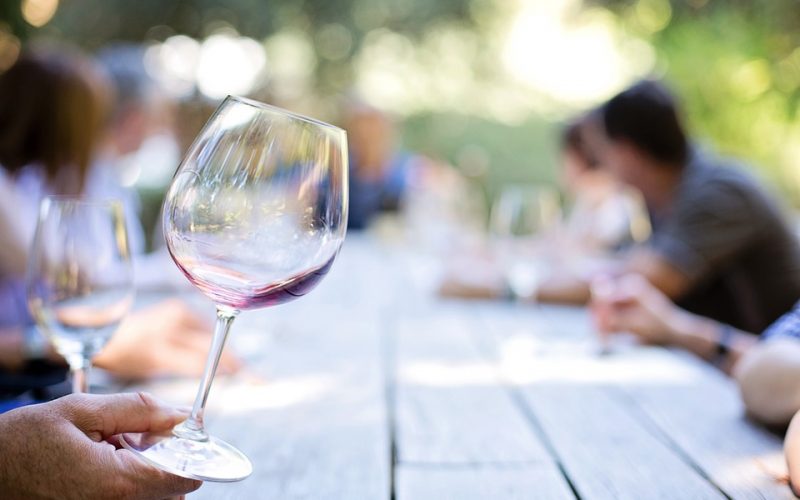
There is something about eating together that brings people closer. Food and drink festivals create a convivial environment where strangers bond over a shared plate or a particularly good glass of wine. In an age where digital interaction often substitutes for face-to-face connection, these events offer something genuinely social and tactile. They are, at their core, about community — and that is a powerful draw.
Looking ahead
The appetite for food and drink festivals shows little sign of diminishing. If anything, the sector is becoming more diverse, with events now dedicated to everything from vegan street food to rare whisky. As long as people remain curious about what they eat and eager to share that experience with others, festivals will continue to occupy a cherished place in the cultural landscape. For producers and visitors alike, they represent something worth celebrating.