The history of church weddings presents a fascinating journey of social and religious evolution, moving from rigid traditionalism to a modern celebration of individual love. Centuries ago, matrimonial ceremonies in the church were heavily regulated events where the couple's personal preferences held very little weight. As society shifted towards individualism, religious institutions gradually adapted their practices to accommodate the changing desires of modern couples. This transformation highlights a broader cultural shift in how we view marriage, transitioning from a practical societal contract to a deeply personal declaration of romantic partnership.
The traditional foundations of the latin mass
For many generations, the Latin mass served as the strict foundation for Catholic wedding ceremonies, leaving virtually no room for personal input. The congregation observed a ritual conducted entirely in a language they barely understood, emphasising the solemn nature of the union over human emotion. The priest faced the altar rather than the congregation, acting as an intermediary to the divine. This uniformity ensured that every marriage was treated with the exact same theological seriousness, stripping away any elements of personal storytelling.
The shift towards vernacular language and participation
The twentieth century brought monumental changes to religious ceremonies, particularly when the mass began to be celebrated in the local vernacular. Suddenly, couples could fully understand the words being spoken, transforming the wedding into a participatory experience. This linguistic shift encouraged a communal atmosphere where the congregation actively responded to prayers. As the language modernised, so did the tone of the ceremony, paving the way for couples to feel a deeper emotional connection.
The integration of personal vows and readings
Perhaps the most significant evolution in church weddings has been the introduction of personalised elements, notably the exchange of self-written vows. While traditional vows remain a requirement in many denominations, numerous religious leaders now encourage couples to express their unique feelings alongside the formal liturgy. Brides and grooms are given the freedom to select secular readings and contemporary music that resonate with their relationship. This blending of sacred tradition with individual expression allows couples to honour their faith while celebrating their modern partnership.
Adapting to modern family structures and gender roles
As societal understandings of family have progressed, church weddings have adjusted rituals to reflect contemporary realities. The practice of a father giving away the bride, once viewed as a transfer of property, is now frequently reinterpreted, allowing both parents to walk their children down the aisle. Religious institutions have also updated their language to reflect equal partnership, removing outdated vows of obedience. These adaptations ensure the religious ceremony remains respectful of the egalitarian values held by couples entering into marriage today.
Embracing cultural diversity within the sanctuary
Modern church weddings increasingly serve as beautiful tapestries that weave together diverse cultural backgrounds and family traditions within a religious framework. Couples entering into cross-cultural marriages often work closely with their clergy to incorporate symbolic rituals from their heritages, such as the lighting of a unity candle or the inclusion of specific cultural garments. Ministers have become much more flexible in their approach, recognising that celebrating a couple's cultural identity enhances the spiritual depth of the ceremony. This willingness to blend global traditions with standard liturgy demonstrates a progressive step towards inclusivity.
Looking forward to the future of religious ceremonies
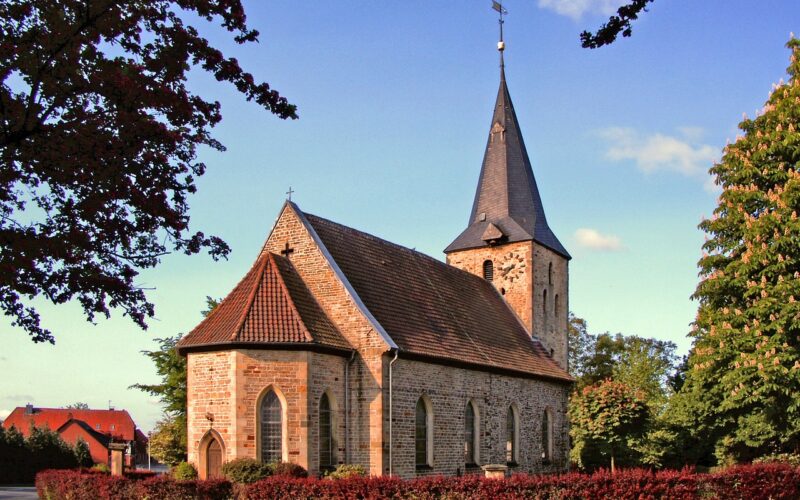
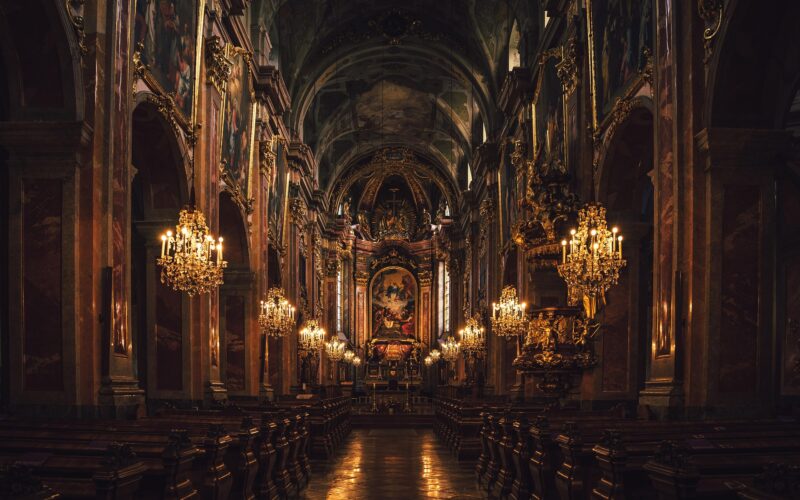
The ongoing evolution of the church wedding illustrates a delicate but necessary balancing act between preserving traditions and embracing modern values. While the grand architecture and solemn atmosphere of a church continue to draw couples seeking a profound setting for their nuptials, the rigid conformity of the past has given way to a more personalised experience. As religious institutions continue to navigate the changing landscape of modern relationships, they will likely find new ways to harmonise theological requirements with unique desires. Ultimately, the transformation from strict Latin mass to individualised ceremonies ensures church weddings remain a relevant celebration of love.